


Two good options, two different bets. Here is the honest comparison rather than the one that ends with whichever product carries the better margin.
The case for synthetic composite
Composite gives the look of slate or shake at a fraction of the dead load, which matters on older framing that was never sized for stone. Lifespan runs 40 to 50 years, installed cost $9.00 to $16.00 per square foot.
Most composite products are a polymer and mineral blend, engineered to flex rather than shatter, which is why they survive hail and foot traffic better than real slate.
The case for clay tile
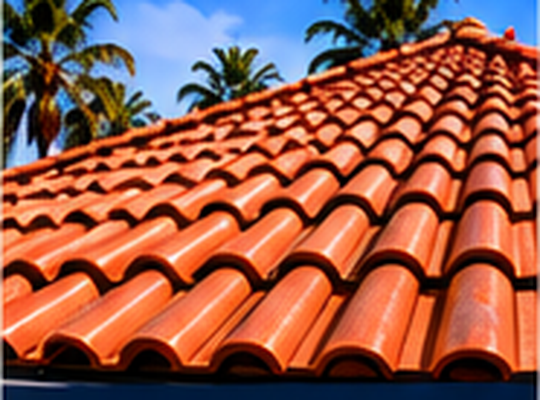
Clay holds its color in a way concrete does not, because the color is the material rather than a surface coat that chalks out after fifteen summers. Lifespan runs 50 years or more, installed cost $10.00 to $18.00 per square foot.
Clay is fired, not cast. That makes it harder, lighter per piece than concrete in most profiles, and considerably more brittle at the edges.
Where each one lets you down
The failure mode is usually installation, not material. Composite has its own fastening pattern and crews used to shingle get it wrong. By contrast: Clay breaks under foot traffic. Most cracked clay tile we find was cracked by someone walking a valley wrong, not by weather.
What to specify either way
- Check that the product carries a Class A rating as installed, not just as a material. The assembly is what gets rated.
- Confirm the framing is rated for the load before anyone quotes you a switch from shingle to clay. A tile field adds real dead load per square.
- A written scope that names the underlayment, not just the surface material
- A per-sheet price for deck replacement, agreed before tear-off
How we would decide
If you are staying in the house past the next fifteen years, buy the longer service life and stop thinking about it. If you are likely to sell inside five, the cheaper assembly done properly is the better use of the money. Slope, framing capacity and HOA rules narrow the choice faster than preference does.
Questions we get asked
Which one is cheaper over thirty years?
Divide installed cost by expected service life and the gap narrows sharply. The cheaper roof up front is frequently the more expensive roof per year.
Can I switch from one to the other?
Sometimes. Moving to a heavier assembly means confirming the framing can carry the load, which may require an engineer. Moving to a lighter one is usually straightforward.
Does either affect resale?
A documented, permitted roof with remaining service life affects resale. Which material it is matters far less than whether the paperwork exists.
Working with a Sunland roofer
All American Roof Repair & Commercial Roofing has been on Sunland roofs since 1986. We cover Sunland and the surrounding communities including La Cañada Flintridge, Van Nuys and Burbank, and every estimate we write names the material, the underlayment and the flashing scope so you can compare it line for line against anyone else's.
If you want a second opinion on synthetic roofing vs clay tile roof, call (818) 275-0921 or run your address through our instant quote tool for a ballpark figure before you talk to anyone.
Need a roofer in Sunland?
Free inspection, honest scope, and an estimate that names the material and the flashing work. Call (818) 277-6626 or get a ballpark in about a minute.